
Zenductor III BAF Edition
This kit contains everything you need to build two Zenductor III monoblocks down to the last piece of wire.
The photo is one channel; one monoblock.
UPDATE - The power supplies are compatible with 110-120VAC mains only. They ship with USA (NEMA 1-15P) mains power cords. DIYers requiring different power cords will likely have them in their stash or can source a power cord on their own. The female side for the PSU is Polarized IEC 60320 C7.
This is the famous Zenductor III created by Nelson Pass for the 2025 Burning Amplifier Festival (BAF) Build Camp.
Two monoblock amplifiers can be assembled by most DIYers in an afternoon.
Details
The Zenductor III continues in the series of fabulous little amplifiers inspired by Mike Rothacher. It is an exercise in simplicity with lovely results. It is reminiscent of the original Zenductor, but simplified further.
"So here we are, Zenductor #3. I think you will find it surprising that so little can deliver so much. I am running my 86 dB / 3.8 ohm SR1's will them, and it sounds great and plays pretty loud." - Nelson Pass
Please read Nelson's article for additional details.
Link to Nelson Pass Zenductor III article
For an overview of the build process, please see the Zenductor III thread at diyAudio.com. Since BAF '25, the feet were changed to aid in stability and a few parts values were updated. Please be sure to read the thread for all updates. Nelson's article provides the history, the thread provides current information.. As always, a huge thank you to Jim (a.k.a. 6L6) for creating an exceptionally well-documented guide.
Important Information
This is an open chassis project. The heatsinks reach temperatures approaching 70C, 160F for a typical build. If you have children, pets, anyone, or anything that could be injured, scared, or damaged by these temperatures, please adjust the bias current to a level suitable for your environment and/or increase the heatsinking. They should be operated in an area with at least 8" of ventilation on all sides. Do not operate them in a fully closed rack.
This was my first build of any electronics. With the help of my two sons on Father's Day (one who turned out to be better than me at soldering), we built this kit in a few hours. We had some confusion about the resistors, some of which are mislabeled (as noted on the webpage and in the forum), but eventually took our best guess as to which went where and it seems to have worked. (Better to be lucky than good!) We attached the feet as noted in the forum by WBS. Adjusted the bias to 0.1-0.14 volts and rock and roll! I have so far driven some Gradient 1.3s (4 ohms nominal impedance, and they won't go loud enough to satisfy some) and Philharmonic Audio HT Towers (somewhat higher impedance, and go loud enough). Streaming with a WiiM Pro Plus and no EQ or room correction. With the gradients, I do need to have my PS Audio DirectStream DAC MK2 set to 100% volume (2 volts output) for some recordings that are recorded at a low level. Adding a subwoofer helps, as I'm a bass freak and find that necessary with essentially any setup. I've been listening for about 3 weeks now and am feeling no desire to swap back in my more powerful amps. this also gives a real sense of accomplishment. CONCLUSION: For $219, wow, are you kidding me??? Great sound. You CAN build it! Highly recommended!!!
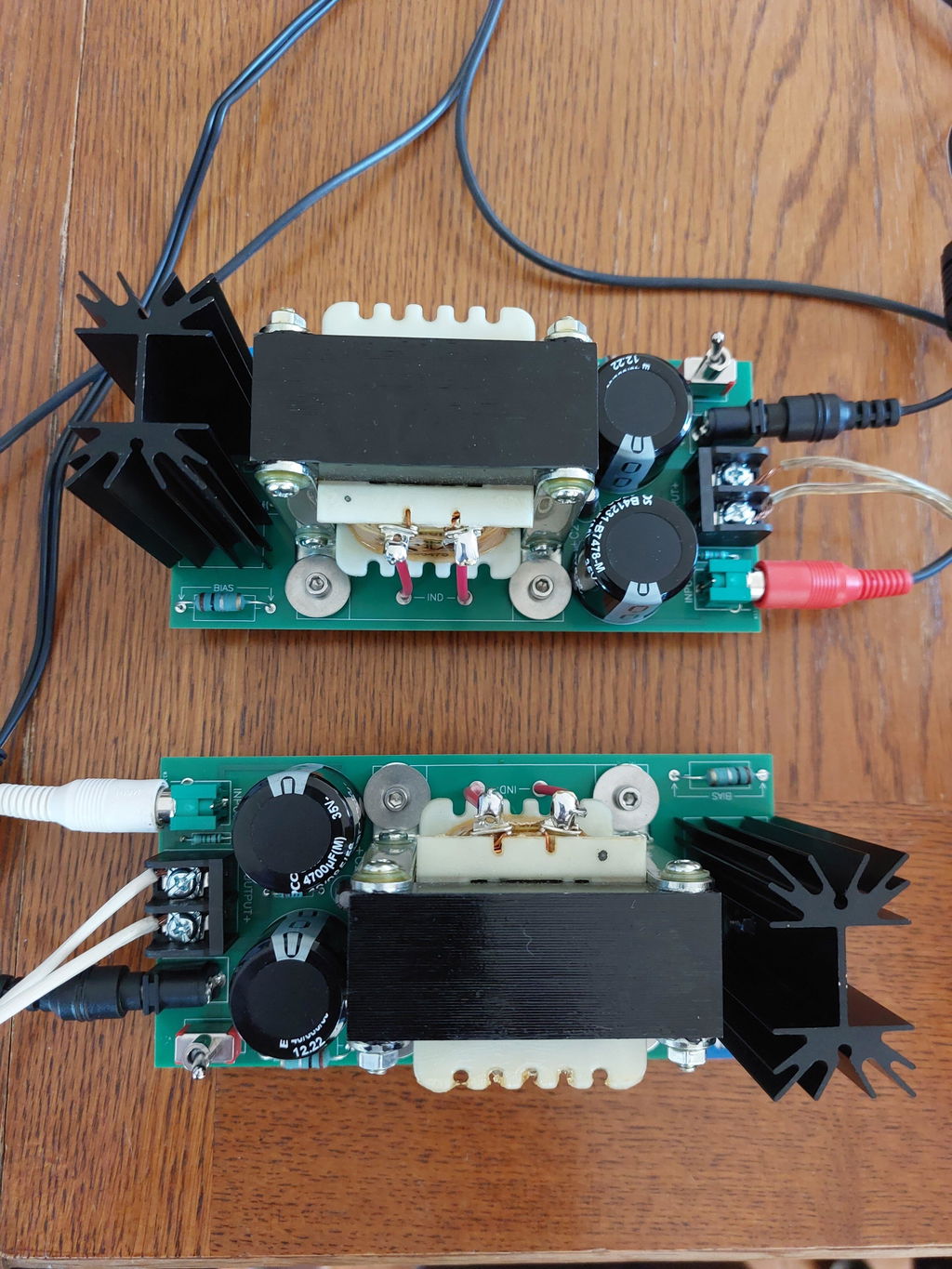
I built a set of Zenductor 3 baf editions. Hooked them up to all my reject equiptment from my main 2 systems. Bluemd source, schiir bifrost to the Zens and on to B and w Dm17 bookshelves. It outperformes my main system . Plenty of volume. The impact, the delicate microdetails. Sounds better than my system with a Pass Xa 25's and 801s. At 1:50 th the price
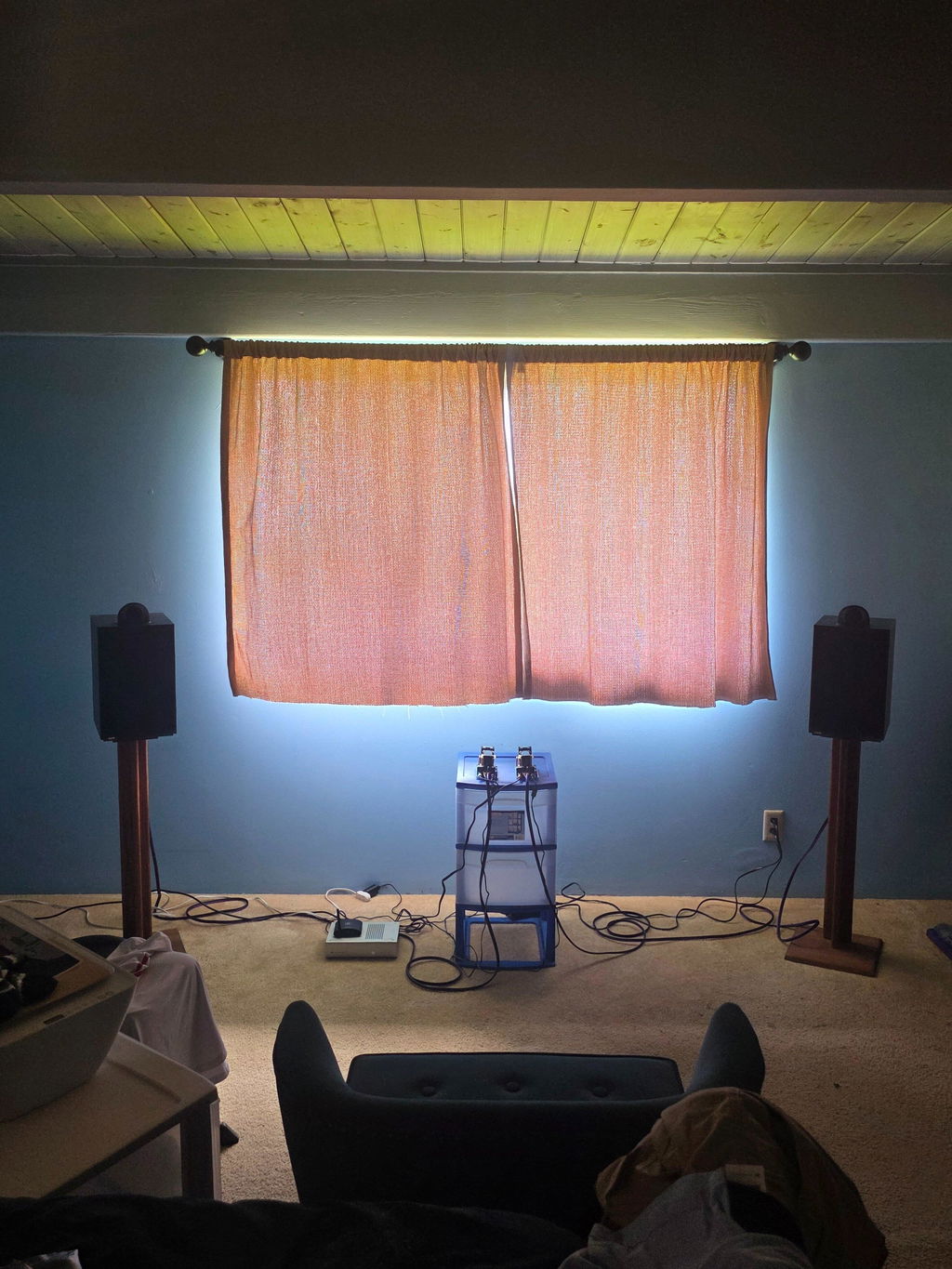
The Zenductor 3's are up and running and sounding great.
Beautiful harmonic textures, particularly with the bias up to 0.15, but they don't really sound like tubes. Doesn't matter as their sound is fantastic. Whatever this sound is I like it.
Straightforward build. Double checked all the part values before installing and checked all the solder joints with a magnifier during the build. They lit up perfectly from the start.
No hum or hiss from the 98db sensitive horn/waveguide speakers. Nothing.
Great project. Many thanks to Mr. Pass and Mr. Rothacher. 6L6's build photos at the beginning of the Zenductor 3 thread really saved some aggravation, too.
Highly, highly recommended.